
Clean Records Make You Ready for the Region
Prime Minister Lawrence Wong told the 49th Asean Summit in Manila this week that governments must do more than sign regional agreements. They need to raise awareness among businesses and provide practical guidance, because many companies struggle to understand how those agreements apply to them.
Asean is projected to become a US$10 trillion economy by the early 2040s. The Digital Economy Framework Agreement has been signed. On paper, the direction of travel is clear: more trade, more digital flows, less friction between neighbouring markets.
For an SME thinking about a second market, the useful question is not whether the door is open. It is whether the business can walk through it without losing track of itself.
What changes when you cross a border
Expansion rarely fails because of tariffs. It fails in the back office.
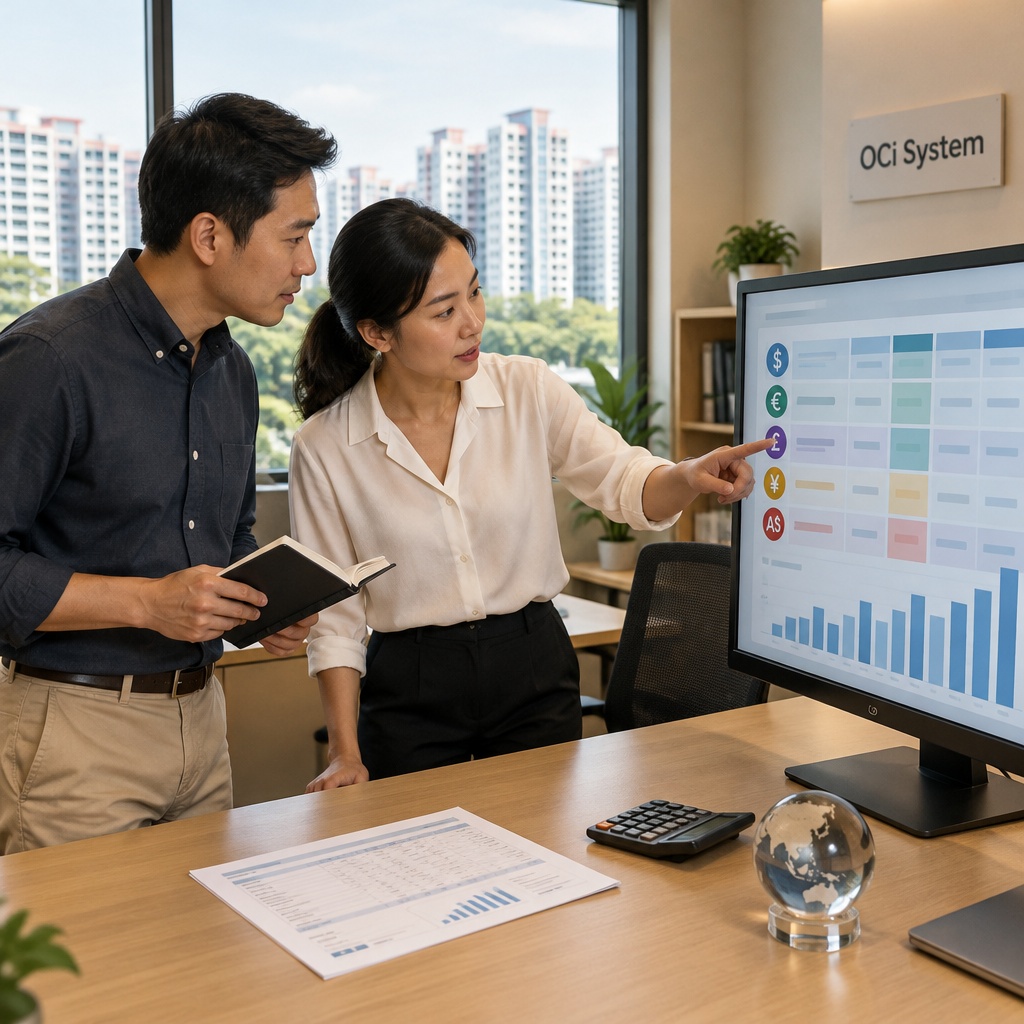
Currency. The moment you invoice in another currency, every report has a translation question. Which rate, at which date, and whether the gain or loss sits in the trading result or somewhere else entirely.
Tax treatment. Goods and services crossing a border attract different rules. GST on exports, imported services, and the treatment of a related entity in another country all need decisions before the first invoice, not after the first audit query.
Cost allocation. Shared staff, shared systems, group services. Who bears the cost, and at what price, is a question tax authorities in both countries can ask.
Entity boundaries. Money moving between a Singapore parent and a regional subsidiary is not the same as money moving between departments. The records have to show which is which.
None of this is exotic. It is ordinary accounting that becomes harder the moment there are two of everything.
Why clean records make expansion cheaper
A business with well-structured records can answer the practical questions quickly. What did the new market actually contribute last quarter, after currency effects. Which costs belong to the new entity. Whether the intercompany charge is defensible.
A business without them spends the first year of expansion rebuilding its own history. The regional push slows, not because demand was weak, but because nobody could see clearly enough to make the next decision.
There is a second benefit that matters just as much. Clean records make financing possible. A bank or investor looking at a regional expansion wants to see the Singapore base and the new market separated, with a defensible bridge between them. A consolidated blob of numbers does not get funded.
What to put in place before you go
Keep one system of record, with clear entity and currency dimensions from the start. Decide your intercompany pricing approach before the first transaction, not after. Track the new market as its own reporting unit, so its contribution is visible rather than absorbed. Reconcile across currencies on a fixed monthly rhythm, so surprises stay small.
Agreements like DEFA reduce friction between countries. They do not reduce the friction inside a business that cannot produce a clean number on request. That part is yours to build, and it is worth building before the opportunity arrives rather than during it.
OCi System provides accounting and ERP tools that help Singapore SMEs keep entity, currency and cost records organised, which is what makes a second market manageable rather than merely exciting.
This article provides general information only and is not a substitute for professional advice.
Source: The Business Times, 18 Nov 2026
https://www.businesstimes.com.sg/international/asean-firms-need-practical-help-tap-regions-us10-trillion-potential-pm-wong